Aluminum Castings Explained: Key Benefits and Solutions for Your Manufacturing Requirements
Aluminum spreadings play a significant function in modern manufacturing. Their durable and light-weight nature makes them suitable for various applications. Industries such as aerospace and auto advantage from their versatility. Recognizing the benefits and the production process of light weight aluminum castings is essential. Additionally, picking the best provider can impact high quality and efficiency. What aspects should be taken into consideration when choosing a light weight aluminum casting solution? Checking out these facets reveals essential understandings.
Advantages of Aluminum Castings
Aluminum castings supply countless advantages that make them a favored option in numerous sectors. Among the primary benefits is their lightweight nature, which considerably decreases shipping and managing prices. In addition, light weight aluminum shows excellent corrosion resistance, guaranteeing durability and decreased maintenance for products made from this product. The flexibility of aluminum permits intricate designs and intricate forms, providing makers with better flexibility in manufacturing.
Additionally, aluminum spreadings have good thermal and electrical conductivity, making them appropriate for a range of applications needing warm dissipation or electrical parts. The product additionally has a high strength-to-weight ratio, enabling the manufacturing of sturdy yet light-weight elements. Light weight aluminum can be recycled without losing its homes, promoting sustainability in making processes. In general, these benefits make light weight aluminum castings a effective and dependable alternative for makers seeking high quality and performance in their items.
Applications of Aluminum Castings in Numerous Industries
The advantages of light weight aluminum spreadings make them highly looked for after throughout numerous sectors, consisting of automobile, aerospace, and consumer products. In the auto industry, they are made use of for engine blocks, transmission cases, and wheels because of their light-weight nature, which enhances fuel performance. Aerospace applications benefit from aluminum spreadings in architectural components and real estates, offering stamina while lessening weight, crucial for trip performance.
In customer goods, aluminum spreadings are made use of in items such as cooking equipment and electronic rooms, supplying longevity and aesthetic appeal (Aluminum Foundry). In addition, the electric sector uses aluminum castings for heat sinks and real estates, guaranteeing efficient thermal monitoring. The convenience of light weight aluminum permits for complex geometries and complex layouts, better broadening its applications. On the whole, the varied utility of light weight aluminum spreadings emphasizes their importance in modern production, adding to advancement and efficiency across these key sectors
The Production Process of Light Weight Aluminum Castings
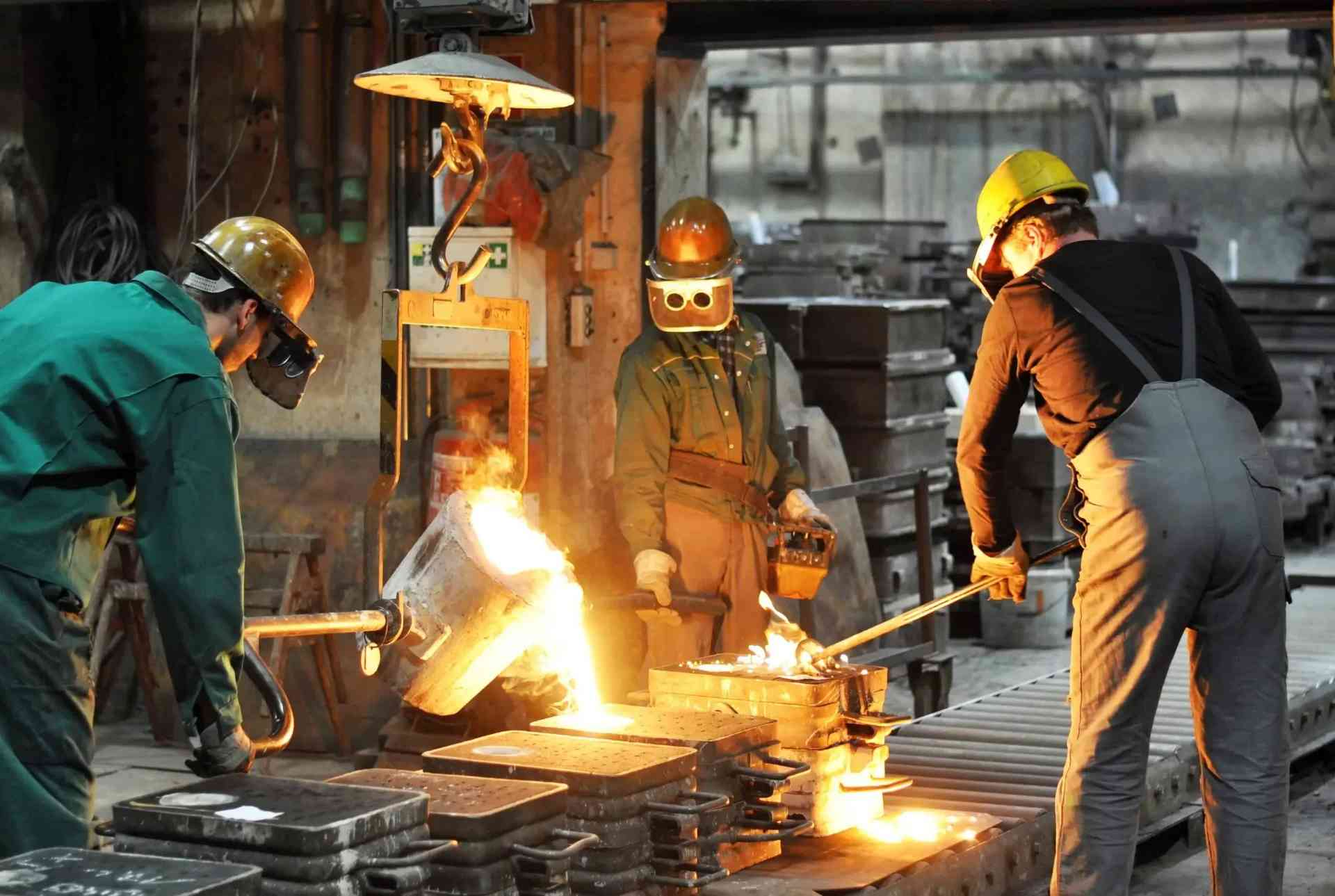
Casting light weight aluminum includes a number of crucial steps that change raw metal right into accurate parts. The procedure begins with the melting of light weight aluminum scrap or ingots in a heater, reaching temperature levels around 1,200 ° F. As soon as molten, the aluminum is poured into a mold, which can be made from sand, steel, or ceramic, depending upon the preferred requirements.
After pouring, the steel cools down and strengthens, forming the shape of the mold (Wisconsin Aluminum Foundry). The following action includes removing the spreading from the mold, which might need added techniques to assure a smooth surface area finish
Subsequently, any type of excess material or imperfections can be machined or ground off to accomplish the last dimensions. Quality evaluations are then carried out to verify that the casting meets needed criteria. This meticulous procedure permits producers to generate check elements that are light-weight, resilient, and ideal for a variety of applications.
Selecting the Right Light Weight Aluminum Casting Service
When choosing a light weight aluminum casting solution, it is necessary to ponder numerous aspects that can substantially influence the high quality and effectiveness of the final product. Initially, the provider's experience and expertise in light weight aluminum spreading play an essential duty in making sure top notch outcomes. Companies must evaluate the service provider's portfolio and previous tasks to evaluate their capabilities.
In addition, examining the technology and tools utilized by the spreading solution is very important, as modern-day machinery can original site boost precision and lower lead times. An additional crucial variable is the capability to supply personalized options tailored to details project needs, which can significantly boost product efficiency.
Communication and customer assistance must not be neglected; a collaborative companion can facilitate smoother job implementation. Thinking about cost-effectiveness without compromising quality is essential for making an educated decision. By carefully considering these elements, producers can pick a spreading solution that finest satisfies their demands.
Future Fads in Aluminum Casting Technology
As producers progressively focus on top quality and performance, innovations in light weight aluminum spreading modern technology are set to transform the industry. Emerging patterns consist of the adoption of automation and robotics, which enhance accuracy and lower human mistake in casting procedures. Additionally, the integration of synthetic intelligence and device discovering is expected to enhance manufacturing schedules and enhance quality assurance.
Sustainability stays a main emphasis, with technologies in reusing methods permitting more reliable reuse of light weight aluminum scrap, thereby reducing waste and energy consumption. Advanced simulation software application is additionally gaining grip, enabling engineers to design and anticipate casting performance prior to real production, decreasing expensive errors.
Furthermore, the growth of brand-new alloys and advanced spreading methods, such as 3D printing, will increase the possibilities for light-weight yet long lasting parts. With each other, these fads suggest a dynamic future for aluminum casting, driven by technological developments that focus on product, sustainability, and performance top quality.
Frequently Asked Inquiries
How Do Light Weight Aluminum Castings Contrast to Other Products?
What Are the Weight Limitations for Light Weight Aluminum Castings?
Weight restrictions for aluminum spreadings normally depend upon the design and application, yet they normally support lots capabilities ranging from a couple of ounces to numerous heaps. Particular constraints develop from elements like wall surface density and structural integrity.
Can Light Weight Aluminum Castings Be Repaired After Manufacturing?
Light weight aluminum castings can be fixed after manufacturing, making use of strategies such as welding or view publisher site epoxy bonding. The feasibility of repairs depends on the level of damage and the certain properties of the light weight aluminum alloy made use of.
What Finishes Are Available for Aluminum Castings?
Numerous coatings are available for aluminum castings, consisting of anodizing, powder paint, coating, and sprucing up. These surfaces improve look, give deterioration resistance, and improve surface longevity, dealing with diverse aesthetic and useful requirements in making applications.
Exactly How Do Environmental Regulations Affect Aluminum Casting Processes?
Environmental laws considerably affect light weight aluminum spreading procedures by mandating more stringent emissions controls, encouraging recycling methods, and advertising lasting products. These laws urge manufacturers to adopt cleaner modern technologies and decrease their environmental footprint in production activities.
